
Welcome to Our Church St. Dominic Parish
We are a welcoming Catholic community called by God to live out the message of Christ in love and service to all people.
We’re Glad You’re Here.
Our Church's Mission
The Church is the living body of Christ in which all share in various and diverse ways the responsibility for the mission given to the Church by the Lord to:
- Worship God in joyous celebration of the Mass and sacraments
- Proclaim the Word of God to all people
- Witness the love and redemptive healing of Christ
- Serve those in need in both Church and Society
One Family
Our mission involves deepening of members’ senses of belonging to the St. Dominic family, offer a continued support system to assist families in growing and becoming more engaged in the faith.
Cultural Diversity
We come together as one body in Christ that respects, appreciates, acknowledges and celebrates the rich diversity of our parish that is manifested in persons of different race, cultural background, ethnicity, language, national origin, gender, age and disability.
Worship
St. Dominic Catholic Church centers its worship on Christ in the Sacraments and Sacred Tradition of the Church.
Outreach
We willingly invite the Holy Spirit to set our hearts on fire with the love of Jesus so that we will respond to our call as disciples to go out and proclaim the Gospel with a new ardor and enthusiasm.
Our Parish Administration
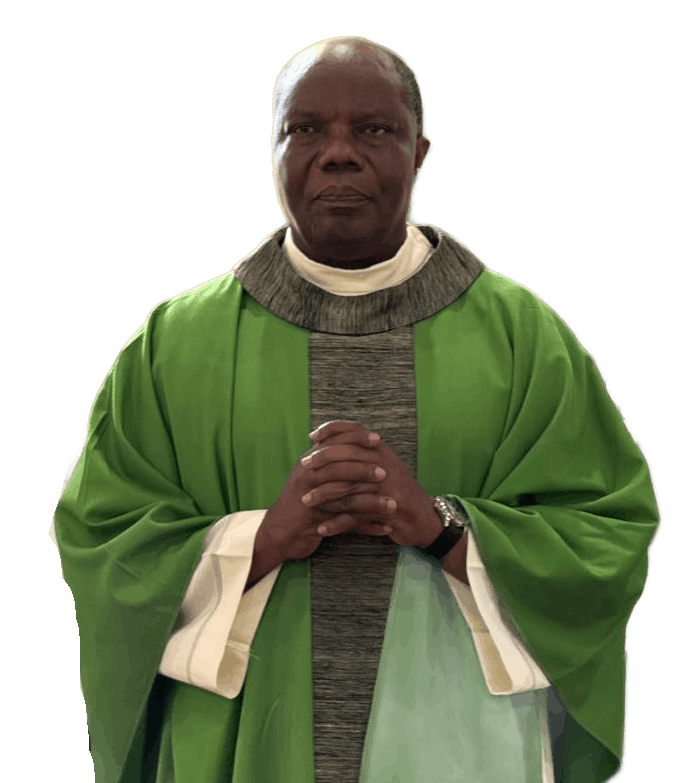
Rev. Fr. Felix Sesenyo Quarshie
Parish Priest
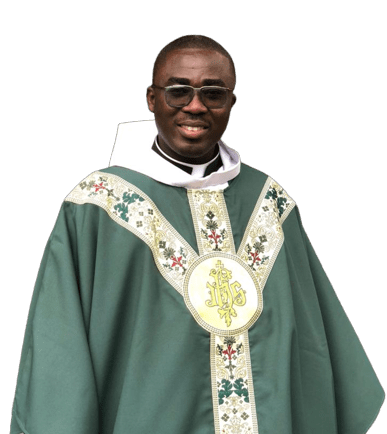
Rev. Fr. Gabriel Edem Datsomor
Assistant Priest
Tel: +233 54 313 7201
edatsomor01@gmail.com

Mr. Kwabena Osei Bonsu
Administrative Secretary


Ten Great Reasons to be Catholic
Bible Verse of the Day
“I am the Alpha and the Omega,” says the Lord God, “who is, and who was, and who is to come, the Almighty.”
Today's Liturgy Liturgy Liturgy
Select date
Saints Simon and Jude, apostles – Feast
Letter to the Ephesians 2,19-22.
Brothers and sisters: You are no longer strangers and sojourners, but you are fellow citizens with the holy ones and members of the household of God,
built upon the foundation of the apostles and prophets, with Christ Jesus himself as the capstone.
Through him the whole structure is held together and grows into a temple sacred in the Lord;
in him you also are being built together into a dwelling place of God in the Spirit.
built upon the foundation of the apostles and prophets, with Christ Jesus himself as the capstone.
Through him the whole structure is held together and grows into a temple sacred in the Lord;
in him you also are being built together into a dwelling place of God in the Spirit.
Holy Gospel of Jesus Christ according to Saint Luke 6,12-16.
Jesus departed to the mountain to pray, and he spent the night in prayer to God.
When day came, he called his disciples to himself, and from them he chose Twelve, whom he also named apostles:
Simon, whom he named Peter, and his brother Andrew, James, John, Philip, Bartholomew,
Matthew, Thomas, James the son of Alphaeus, Simon who was called a Zealot,
and Judas the son of James, and Judas Iscariot, who became a traitor.
Copyright © Confraternity of Christian Doctrine, USCCB
To receive the Gospel every morning in your mailbox, subscribe here: dailygospel.org
When day came, he called his disciples to himself, and from them he chose Twelve, whom he also named apostles:
Simon, whom he named Peter, and his brother Andrew, James, John, Philip, Bartholomew,
Matthew, Thomas, James the son of Alphaeus, Simon who was called a Zealot,
and Judas the son of James, and Judas Iscariot, who became a traitor.
Copyright © Confraternity of Christian Doctrine, USCCB
To receive the Gospel every morning in your mailbox, subscribe here: dailygospel.org
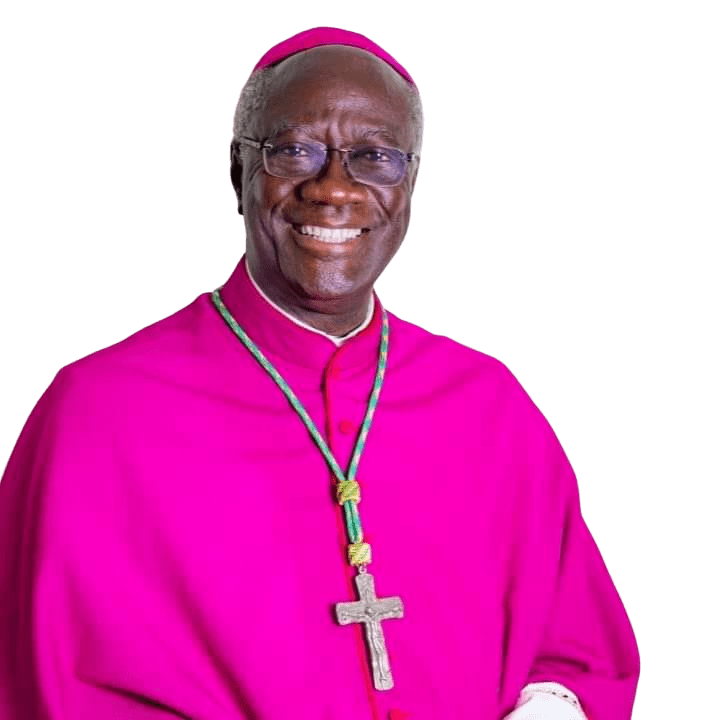
His Grace, Most Rev. John Bonaventure Kwofie, C.S.Sp.
Metropolitan Archbishop of Accra

His Holiness, Pope Francis
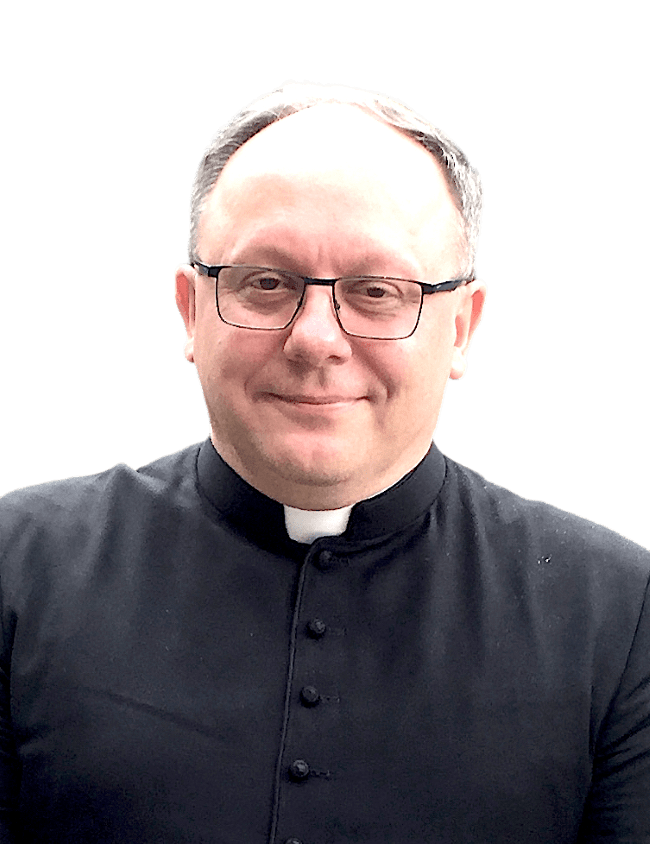
Most Rev. Henryk Mieczyslaw Jagodzinski
Apostolic Nuncio to Ghana
THE FOUR PILLARS OF THE CATHOLIC CHURCH
Creed
Reminds us of all the beliefs every week when we profess the Nicene or Apostles Creed. God is creator, salvation is in Jesus Christ and we are strengthen by the Holy Spirit.
Sacraments
Through the Sacraments we experience God’s grace. The Sacraments of Initiation (Baptism, Confirmation, the Eucharist), the Sacraments of Healing (Penance and the Anointing of the Sick), and the Sacraments at the Service of Communion (Marriage and Holy Orders), we are made more holy.
Morality
The way to God’s kingdom is by living the moral life we are called to. Catholic Social Teaching gives us guidance to love God and our neighbor, which in addition to the Ten Commandments we can clearly see how to live this out.
Prayer
Whether vocal, meditative or contemplative; prayer comes in many forms – adoration, petition, intercession, thanksgiving, and praise. Prayer links us to the liturgy and gives a a vital relationship with our Lord.